
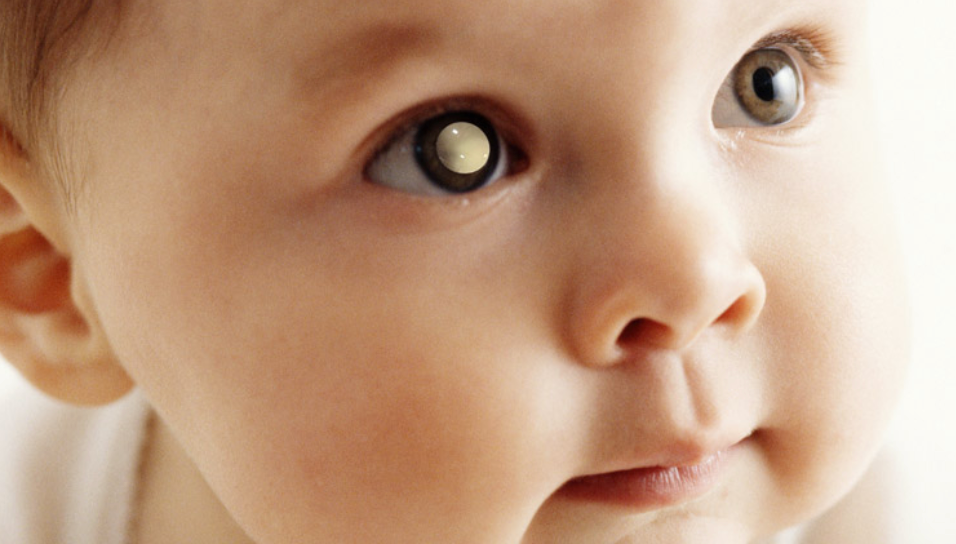
White Pupil in Children: What This May Mean
When a child’s pupil looks white Sometimes, parents may notice a white, grey, or unusual glow in their child’s pupil. This can appear in flash photos, dim lighting, or when one eye looks differe...
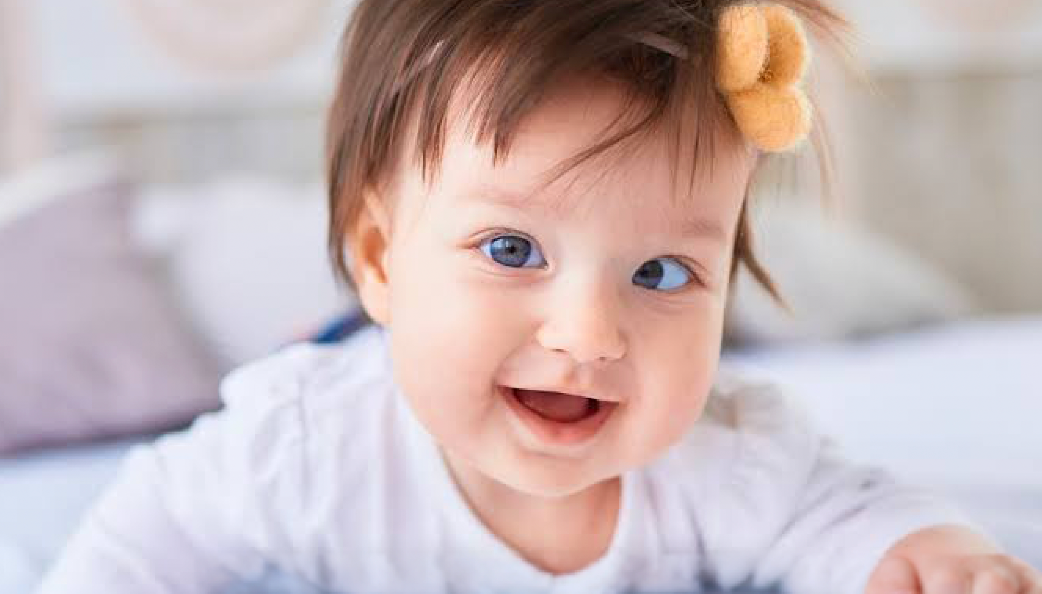
Wobbly Eyes in Children: What Parents Should Know
When a child’s eyes seem to move on their own Sometimes, a child’s eyes may appear to shake, wobble, or move by themselves. This is called nystagmus. The movement can go side to side, up and down...
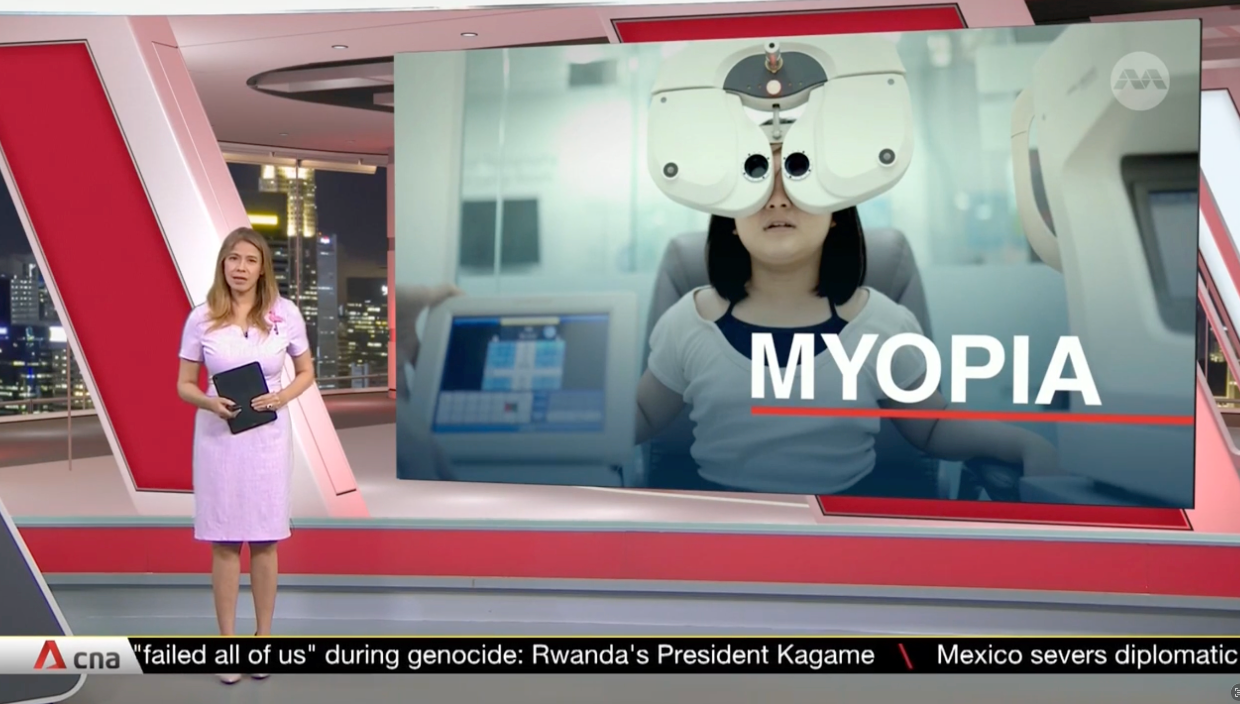
Glasses Help, But They Don’t Stop Myopia
Glasses Help, But They Don’t Stop Myopia When a child’s vision becomes blurry, the usual next step is simple: get a new pair of spectacles. And yes, spectacles are important. They help children see...
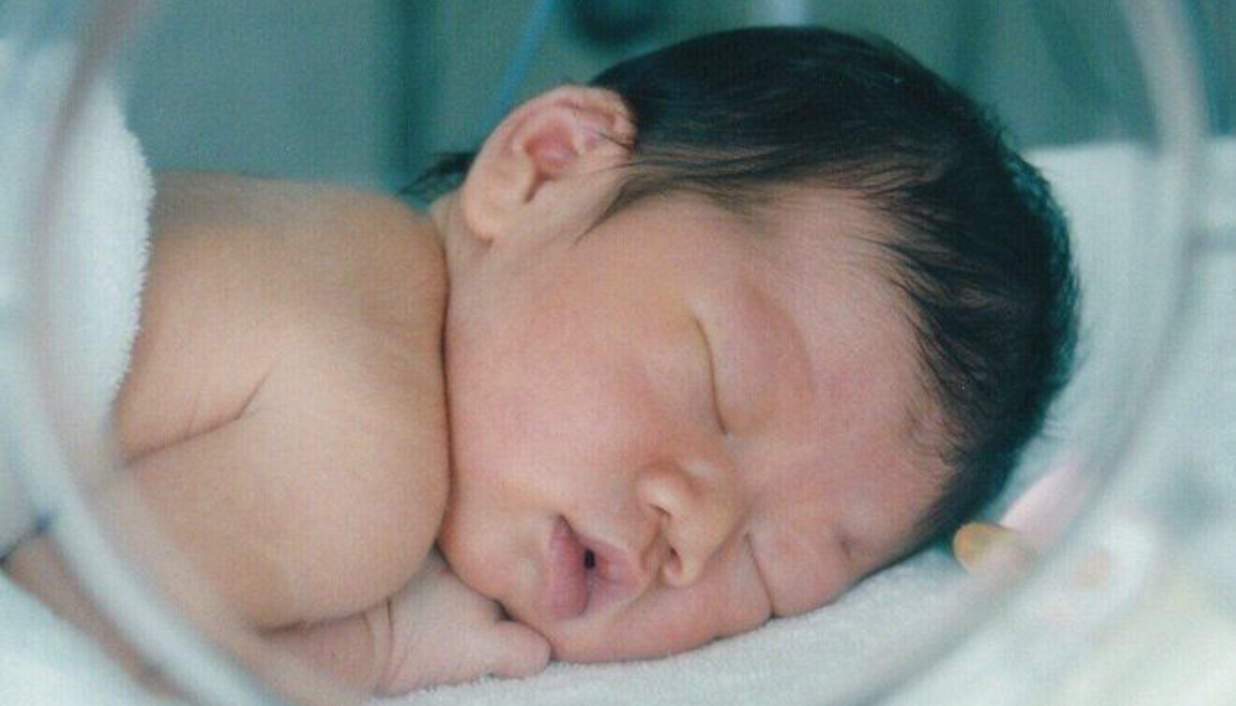
Premature Babies and Their Eyes: What Parents Should Know.
Premature Babies Need Extra Eye Care When a baby is born early, parents are often focused on breathing, feeding, weight gain, and time in the hospital. Eye health may not be the first thing on your...
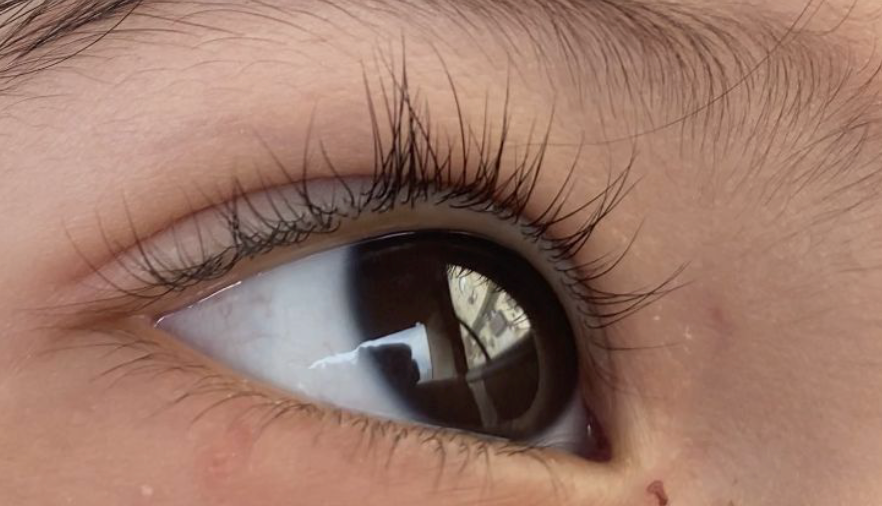
Can Children Get Cataracts? Here’s What Parents Should Know.
Cataracts Are Not Only an Older Person’s Eye Problem When most parents hear the word “cataract,” they think of grandparents, ageing eyes, and surgery later in life. But cataracts can also happen in...

New Research Suggests Omega-3 May Play a Role in Supporting Children’s Eye Health
New research suggests omega-3 may support children’s eye health, showing why nutrition should be part of the bigger conversation around childhood myopia.