
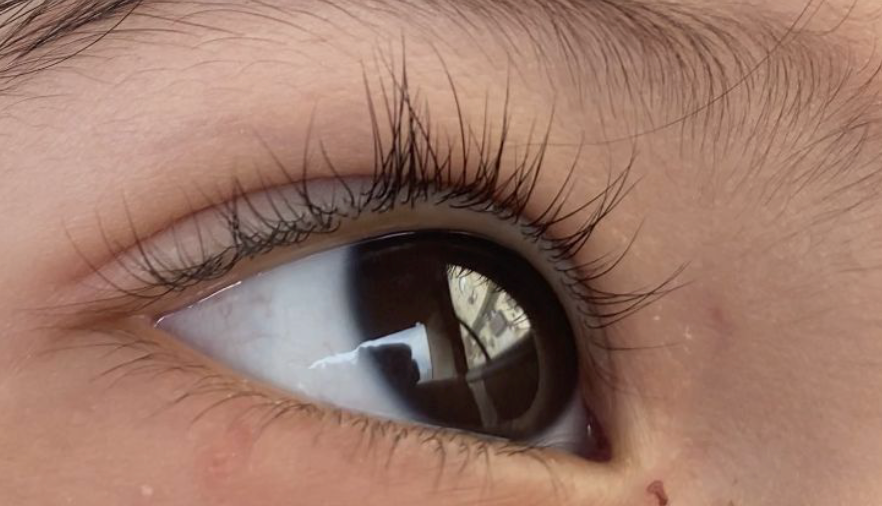
Cataracts Are Not Only an Older Person’s Eye Problem
When most parents hear the word “cataract,” they think of grandparents, ageing eyes, and surgery later in life.
But cataracts can also happen in children.
A cataract is when the lens inside the eye becomes cloudy. In a healthy eye, the lens should be clear so light can pass through properly. When the lens becomes cloudy, it can block or blur vision.
For children, this matters because their eyes and brain are still learning how to see. Clear vision during early childhood is important for healthy visual development.
Why Cataracts in Children Matter
Children do not always know how to explain that something is wrong with their vision.
A child may not say, “I can’t see clearly.”
They may simply adapt, use one eye more than the other, avoid certain activities, or seem clumsy without anyone realising their eyesight may be affected.
This is why parents should not wait for obvious complaints.
When cataracts affect a child’s vision, early detection is important. The sooner an eye care professional checks the eye, the clearer the next steps can be.
What Parents May Notice

Not every cataract is easy to see from the outside. Some are only found during an eye examination.
But there are signs parents can look out for.
One possible sign is a white or cloudy-looking pupil. In some cases, this may show up in photos, especially when one eye reflects light differently from the other.
Parents may also notice:
A cloudy or white reflection in the eye
One eye appearing different in photos
Squinting or unusual eye movements
A child frequently bumping into things
Poor focus or difficulty following objects
One eye turning in or out
A child covering one eye often
These signs do not always mean cataracts. But they are good reasons to arrange an eye check.
A Simple Thing to Look For in Photos

Parents often notice eye changes through everyday photos.
In many flash photos, the eyes may show a red or orange reflection. This is called the red reflex. When both eyes show a similar, even reflection, it is usually a reassuring sign.
But if one eye appears white, cloudy, dull, or very different from the other, it should be checked.
The simple rule is:
If something looks unusual in your child’s eye, do not guess. Get it checked.
Can Nutrition Help with Cataracts?

Nutrition is important for children’s overall growth, including healthy eye development.
Good daily nutrition helps support the body with nutrients needed for normal function, repair, and development. For growing children, this can be part of a wider approach to eye wellness.
But nutrition cannot treat cataracts.
If a child has a cataract, it needs proper assessment by an eye care professional. Supplements and healthy food may support general eye health, but they do not replace medical care, diagnosis, or treatment.
Why Regular Eye Checks Are Important
Children’s vision changes as they grow.
Some eye problems are easy to miss because children may continue playing, reading, or watching screens without realising one eye is not seeing well.
Regular eye checks help detect issues earlier, before they quietly affect learning, confidence, coordination, or long-term visual development.
This is especially important if:
You notice a white or cloudy reflection
Your child’s eyes look different in photos
There is a family history of childhood eye conditions
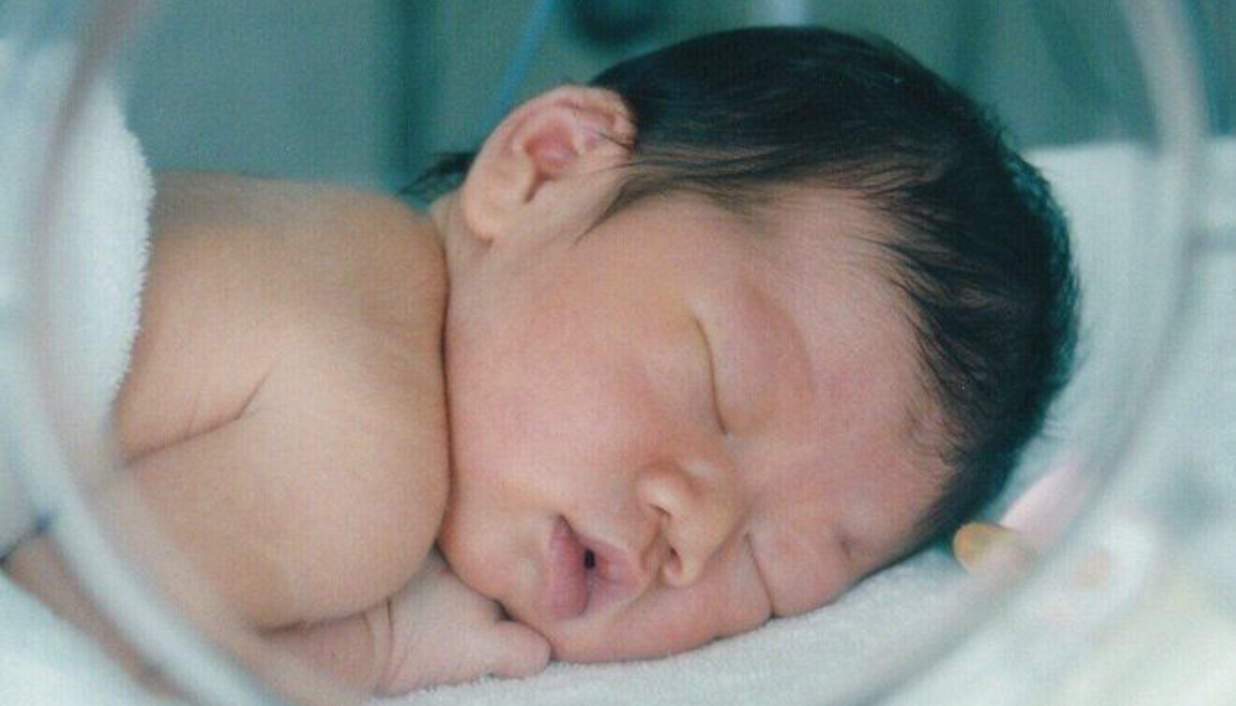
Your child was born prematurely
Your child seems to struggle with focus, balance, or tracking objects
One eye appears to turn in or out
When in doubt, it is always better to check early.
What Parents Can Do Today
Parents do not need to panic over every small eye concern. But they should stay observant.
A few simple steps can help:
Look at your child’s eyes in photos
Notice if both eyes reflect light similarly
Pay attention to changes in behaviour or coordination
Schedule regular eye checks
Seek professional advice if anything looks unusual
Support healthy routines, outdoor time, sleep, and nutrition
The goal is not to create fear.
The goal is awareness.
Looking Ahead
Childhood cataracts are not common, but they can happen. And because children’s vision is still developing, early detection can make a meaningful difference.
Parents are often the first to notice when something looks different.
So trust your eyes.
If something seems unusual, arrange an eye check.
Because protecting children’s vision starts with paying attention to the small signs early.


Leave a comment
This site is protected by hCaptcha and the hCaptcha Privacy Policy and Terms of Service apply.