
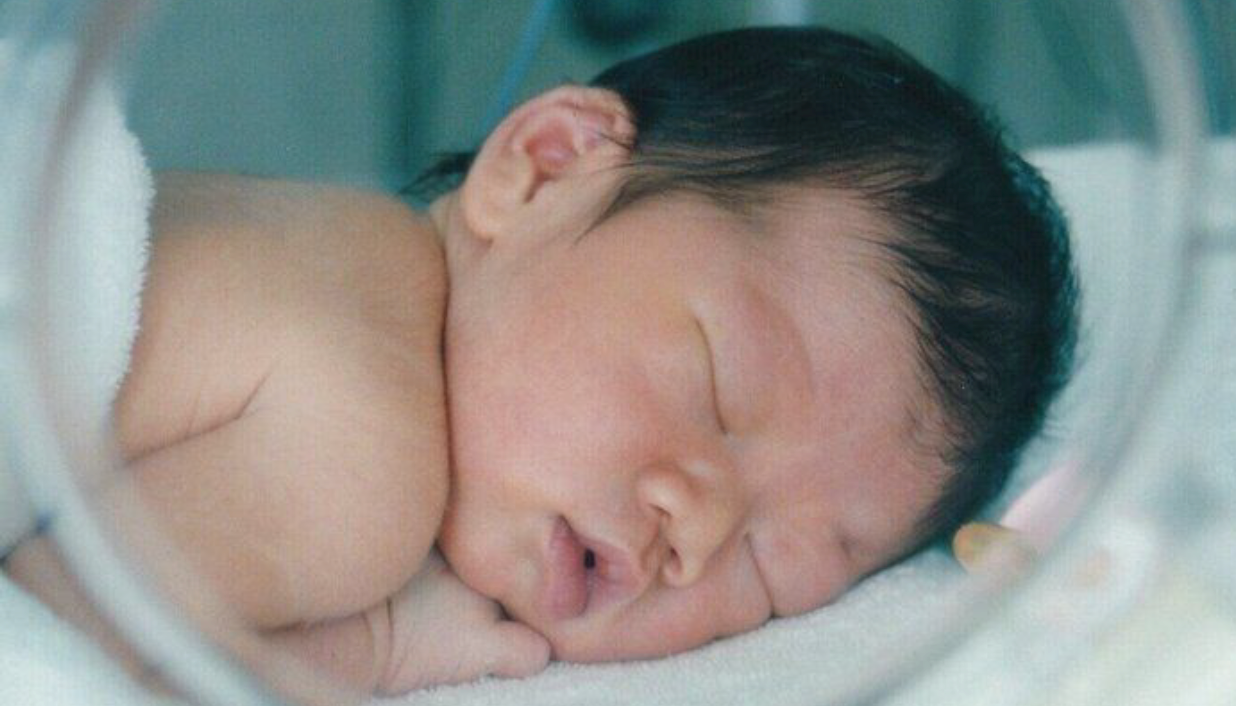
Premature Babies Need Extra Eye Care
When a baby is born early, parents are often focused on breathing, feeding, weight gain, and time in the hospital.
Eye health may not be the first thing on your mind.
But for premature babies, the eyes are still developing too. This is why doctors often recommend special eye checks for babies born too early, especially those who are very premature or have a low birth weight.
These checks are not meant to alarm parents. They are there to protect your baby’s vision as early as possible.
Why Prematurity Can Affect the Eyes
A baby’s eyes continue developing during pregnancy.
When a baby is born early, some parts of the eye may still be immature. One important area is the retina, which is the light-sensitive layer at the back of the eye.
The retina plays a major role in vision. In premature babies, the blood vessels in the retina may not have finished growing yet. This can increase the risk of certain eye conditions that need close monitoring.
One of the most important conditions doctors look for is called ROP.
What Is ROP?

ROP stands for Retinopathy of Prematurity.
It is an eye condition that can happen in some premature babies when the blood vessels in the retina develop abnormally.
In many babies, mild ROP can improve on its own. But in more serious cases, it may affect vision and require treatment.
The important thing for parents to know is this:
ROP cannot be detected by simply looking at your baby’s eyes from the outside.
Your baby may look completely normal, which is why proper eye screening is so important.
Why Eye Screening Matters

Premature babies may need eye examinations while they are still in hospital, and sometimes after they go home.
These checks help doctors see how the retina is developing and whether the baby needs monitoring or treatment.
For parents, the most important step is to attend every follow-up appointment.
Even if your baby seems well.
Even if their eyes look normal.
Even if they have already left the hospital.
ROP and other early eye concerns can change over time, so follow-up is part of protecting long-term vision.
Is the Risk Over After Leaving Hospital?
Not always.
Leaving the hospital is an important milestone, but it does not always mean the eye development journey is complete.
Some premature babies may still need follow-up eye checks after discharge. This is especially important if your doctor or paediatrician has already arranged appointments with an eye specialist.
Parents should not skip these visits, even if their baby appears healthy.
Early checks can help detect problems before they become more serious.
What Parents Can Look Out For

Many eye conditions in premature babies can only be found through professional examination.
Still, parents can stay aware of possible signs as their baby grows.
Things to look out for include:
Missing scheduled eye follow-ups
Unusual eye movements
Poor response to faces, lights, or objects
Eyes that do not seem to focus well
One eye turning in or out
A white or cloudy appearance in the pupil
Concerns raised by your doctor, nurse, or paediatrician
These signs do not always mean something serious. But they are reasons to speak to a doctor or arrange an eye check.
Why Follow-Up Is So Important
For premature babies, eye care is not just about checking vision once.
It is about watching development over time.
Regular follow-ups allow doctors to monitor how the eyes are growing, whether the retina is developing properly, and whether any treatment is needed.
For parents, the best thing you can do is simple:
Ask about the eye check schedule.
Attend every appointment.
Keep asking questions until you understand the next step.
Can Nutrition Support Premature Babies’ Eyes?

Nutrition plays an important role in a baby’s overall growth and development.
For premature babies, feeding and nutrition are usually guided carefully by doctors, nurses, and paediatric teams. This support helps the body grow, including the eyes and visual system.
But nutrition does not replace eye screening or medical care.
If your baby needs ROP screening or specialist follow-up, those appointments remain essential.
Healthy development needs both: proper medical monitoring and good daily support.
What Parents Can Do Today
If your baby was born premature, here are a few practical steps:
Ask your doctor if your baby needs ROP screening
Confirm the date of the next eye appointment
Do not skip follow-ups after hospital discharge
Watch how your baby responds to faces, light, and movement
Speak to a doctor if anything seems unusual
Follow feeding and nutrition advice from your medical team
You do not need to know everything.
You just need to stay informed and consistent.
Looking Ahead
Premature babies are strong, but they often need a little more support as they grow.
Their eyes are part of that journey.
With proper screening, regular follow-ups, and early care when needed, parents can give premature babies the best chance at healthy visual development.
Because protecting your baby’s sight starts early — sometimes even before they are ready to see the world clearly.

Leave a comment
This site is protected by hCaptcha and the hCaptcha Privacy Policy and Terms of Service apply.